

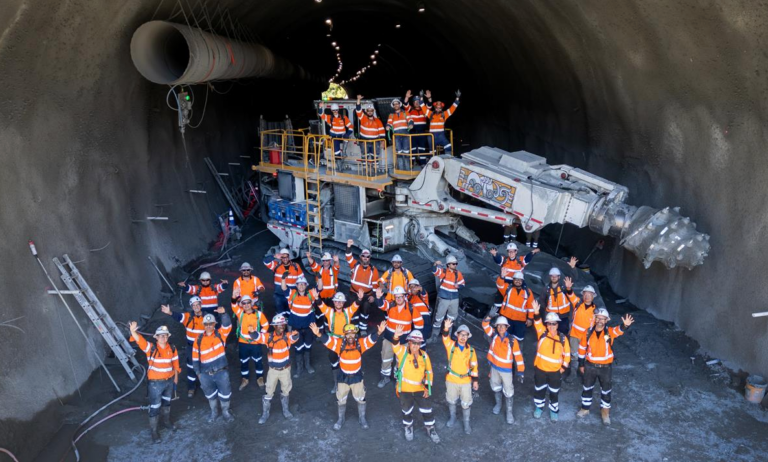
The long-awaited Te Ara o Te Ata Mt Messenger Bypass has reached its most significant milestone yet with the official completion of the project’s 235m tunnel.
Tunnelling teams marked the breakthrough on 28 January, successfully finishing the excavation and lining of the structure. It’s a massive win for the project, which aims to fix one of the most notorious sections of State Highway 3.
The 9m-high tunnel is a first for New Zealand engineering. Because the “papa” sandstone of the mountain is soft and unpredictable, crews had to apply the permanent concrete lining as they dug, rather than waiting until the end.

For Taranaki locals, this means the end is finally in sight for the winding, steep, and often dangerous climb over the existing summit. The new route will offer a far more reliable connection to the north.
With the tunnel finished, the skyline at the top of the mountain is about to change. The massive cableway, which has been a landmark for travellers since 2022, is now being decommissioned.

The cableway was a necessity for moving heavy machinery into the remote, inaccessible valleys where a standard road couldn’t reach. Now that the tunnel is open, the team can simply drive gear through the mountain to reach the northern work zones.
Removing the cableway is no small task. A specialist crew from Austria will arrive in March to help lower the 60mm main cable using a temporary 18m tower and several cranes. The process is expected to take about six weeks.
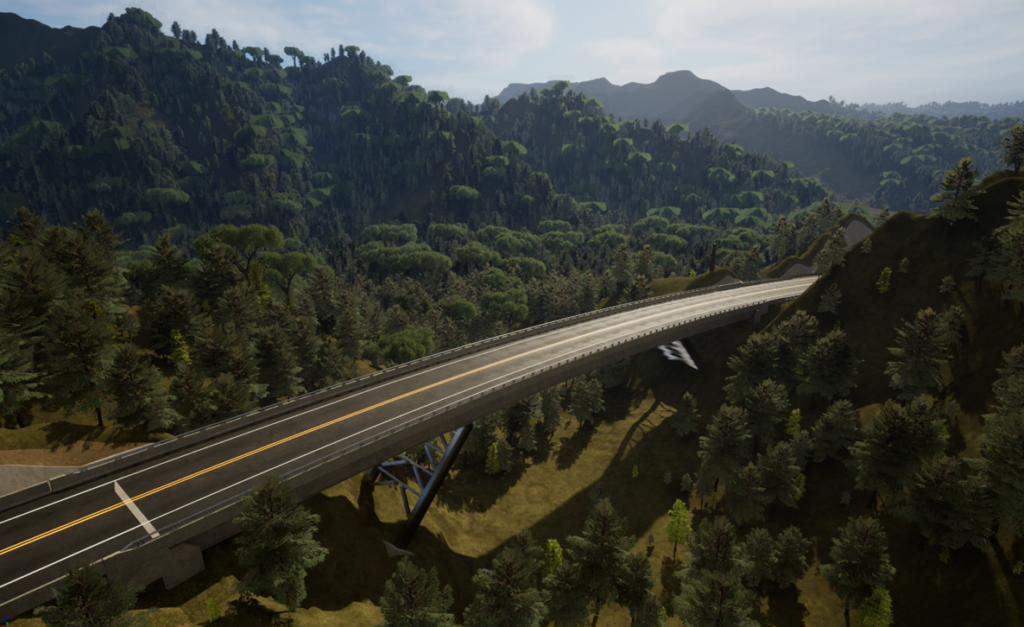
Work is also ramping up on the project’s 125m bridge. Earthworks for the concrete supports are finished, and the focus has shifted to the south pier. The bridge uses angled “legs” designed specifically to protect the wetland and Mimi Stream below.
Deep under the new road, the team is also installing nearly 100 giant concrete pipes. These culverts aren’t just for drainage; they include special “fish passages” to allow native aquatic life to move through the area undisturbed.




One Response
Its going to be awesum once everything is completed. Cant wait to see this. When is completion date